Guides
A Guide to Using Dry Shampoo Without Damaging Your Hair
Dry shampoo is safe for occasional use, but relying on it too heavily can lead to scalp irritation, product buildup, and potential hair damage.
April 23, 2026
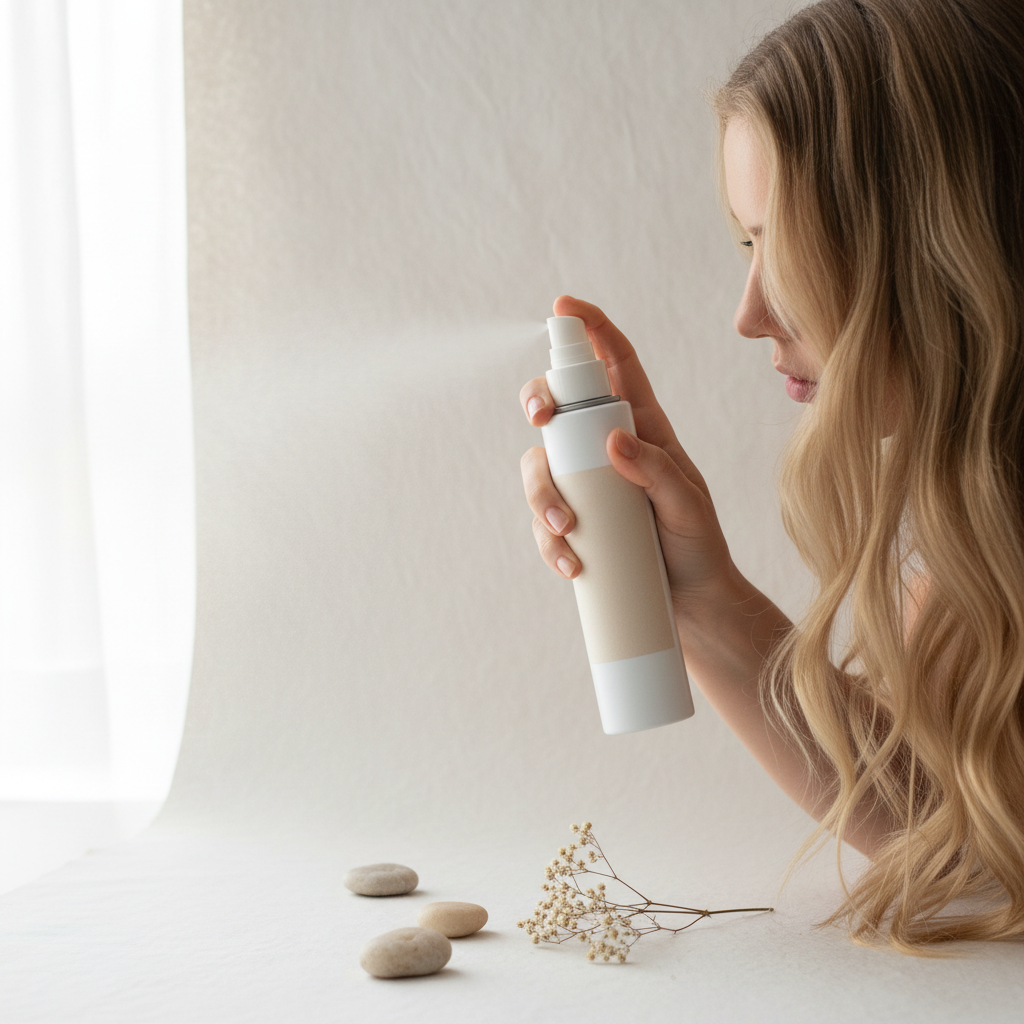
[!answer] Dry shampoo is safe for your hair when used in moderation. View it as a temporary cosmetic touch-up to absorb oil, not as a true replacement for washing. The primary risk comes from overuse, which can cause product buildup that clogs hair follicles, irritates the scalp, and may interfere with the natural hair growth cycle.
How Does Dry Shampoo Work?
To understand how dry shampoo functions, we first need to appreciate the role of sebum. Your scalp is covered in sebaceous glands that produce this natural oil. Sebum is not the enemy; it's a vital part of your scalp's ecosystem, moisturizing the skin and coating hair strands to protect them. However, when it accumulates, it can weigh hair down, cause strands to clump together, and create a "greasy" or "dirty" appearance [1].
Dry shampoo works by using absorbent agents to soak up this excess sebum at the roots [5]. Most formulas contain a base of fine powders like starches (rice, corn, tapioca), clays (kaolin, bentonite), or minerals (silica, aluminum starch octenylsuccinate). When sprayed or applied to the hair, these particles increase the surface area at the scalp, effectively blotting up the oil and leaving the hair looking refreshed and more voluminous. This is a purely cosmetic effect and is mechanistically different from a traditional shampoo, which uses surfactants to bind to oil, dirt, and product residue so they can be physically washed away with water.
Because dry shampoo only absorbs oil without removing it, the product, oil, dead skin cells, and environmental pollutants remain on your scalp until you perform a proper wet wash.
What Are the Risks of Frequent Use?
While the ingredients in most modern dry shampoos are generally considered safe for occasional use, relying on them as a primary cleansing method can create problems. The main issues stem from the inevitable buildup of product and the potential for scalp irritation.
Scalp Irritation and Buildup
Using dry shampoo multiple days in a row without washing leads to a significant accumulation of product on the scalp. This buildup feels like a gritty, waxy, or dusty film. It can physically clog hair follicles, and some dermatologists express concern that this blockage may interfere with the hair's natural growth cycle over the long term. This occlusive mixture of powder, absorbed oil, and dead skin cells also creates an ideal environment for naturally occurring yeast, like Malassezia, to flourish. An overgrowth of this microorganism is directly linked to inflammatory scalp conditions like seborrheic dermatitis (dandruff) and its associated itching and flaking [4].
For those with high-curl-pattern hair, which is often prone to scalp and hair dryness, the heavy use of drying formulas containing ingredients like denatured alcohol can worsen scalp barrier dysfunction and lead to increased dehydration and brittleness [1]. It's crucial to listen to your scalp—consumer complaints submitted to the FDA have cited itching, burning sensations, irritation, and even perceived hair loss after using certain dry shampoo products [7][8][9][10]. While these anecdotal reports do not prove causation, they underscore the importance of caution, especially if you have known skin sensitivities.
Inhalation Risks
Aerosolized products, including most popular dry shampoos, can pose a respiratory risk. They work by using propellants (like butane or propane) to emit a fine mist of particulate matter (PM) that can be inhaled into the lungs [2]. While typical use is unlikely to cause harm, frequent use in a small, unventilated space increases exposure. To minimize this risk, always apply dry shampoo in a well-ventilated area—open a window or turn on a fan. Simple actions like holding your breath during the brief application can also significantly reduce your exposure [2].
Decoding the Ingredient Label: What to Look For and Avoid
Not all dry shampoos are created equal. Understanding the key components can help you choose a formula that is effective and well-suited to your scalp and hair type.
- Absorbing Agents: The workhorse of any dry shampoo is its absorbent base. Starch-based formulas using rice starch (Oryza Sativa), corn starch (Zea Mays), or tapioca starch are common, gentle, and effective. Other formulas may use mineral clays like kaolin or bentonite, or even activated charcoal, which are known for their powerful absorption properties.
- Alcohol Denat.: Many aerosol dry shampoos list denatured alcohol high on the ingredient list. It helps the formula spray evenly and dry quickly, providing a cool, "clean" sensation. However, for those with dry or sensitive scalps, it can be overly drying and contribute to irritation and flaking [1]. If your scalp feels tight or itchy after use, consider an alcohol-free formula.
- Propellants: In aerosol cans, you will find propellants like butane, propane, and isobutane. These are necessary to pressurize the can and deliver the fine mist. While effective, they are the primary reason for inhalation concerns and are volatile organic compounds (VOCs) with environmental impacts [2]. Non-aerosol powders are a great alternative to avoid these ingredients entirely.
- Talc: For decades, talc was a common base in powders. However, due to past concerns about asbestos contamination and modern concerns about potential respiratory irritation, most brands have shifted to starch- or mineral-based formulas. While cosmetic-grade talc is regulated to be asbestos-free, many consumers prefer to choose talc-free options for peace of mind.
Who Should Be Most Cautious?
While most people can use dry shampoo without issue, certain individuals should exercise greater caution or avoid it altogether.
- Individuals with Scalp Conditions: If you have a diagnosed scalp condition like psoriasis, eczema, or persistent seborrheic dermatitis, adding a layer of powder buildup can exacerbate inflammation, itching, and scaling. It's best to prioritize a medicated or gentle washing routine prescribed by your dermatologist [4].
- Those Experiencing Hair Thinning: For people with alopecia or those experiencing significant hair shedding (such as postpartum telogen effluvium), maintaining optimal scalp health is crucial. While dry shampoo does not directly cause hair loss, chronic follicle-clogging and scalp inflammation are counterproductive to promoting healthy hair growth. Use should be minimal.
- Oncology Patients: Individuals undergoing chemotherapy or radiation often experience extreme skin and scalp sensitivity, dryness, and discomfort. The skin's barrier is compromised, making it highly susceptible to irritation from fragrances, alcohols, and other ingredients [6]. In this case, it is safest to avoid potentially irritating cosmetic products like dry shampoo and opt for the gentlest cleansing methods recommended by your oncology care team.
How to Use Dry Shampoo Safely
You can enjoy the convenience of a good dry shampoo without compromising your scalp health by integrating it thoughtfully into your routine [3]. Think of it as a styling product for a temporary refresh, not a cleansing one.
Use it strategically and sparingly: Limit your use to one, or at most two, consecutive days between washes. It's meant to extend your style by a day, not replace a week of washing.
Apply correctly: Shake the can well. Hold it at least six to eight inches from your head and spray directly onto the oiliest parts of your roots in short bursts. Let it sit for 30–60 seconds to absorb oil before massaging it in with your fingers. To prevent a white cast and remove excess product, brush it through your hair thoroughly.
Prioritize scalp cleansing: Regularly cleansing your scalp with a traditional shampoo and water is the only way to effectively remove product buildup, excess oil, bacteria, and dead skin cells [1][5]. Consider using a clarifying shampoo once or twice a month to ensure a completely clean slate.
Listen to your scalp: If you notice any itching, redness, excessive flaking, scalp tenderness, or increased breakouts, stop using the product. These are signs that your scalp is not tolerating the formula or the frequency of use. If symptoms persist, consult a dermatologist.
Ultimately, dry shampoo is an effective tool when used for its intended purpose: to cosmetically absorb oil and refresh your style between washes. Its job is not to clean your hair. To preserve the long-term health of your hair and scalp, use it in moderation, choose ingredients wisely, and never let it replace the fundamental need for a proper wash with shampoo and water.
Sources
- [1] High Curl Pattern Hair and Scalp Care Considerations to Mitigate Seborrheic Dermatitis. — Callender V, Burgess C, Harvey VM, Heath C, Mitchell H, Woolery-Lloyd H, Andriessen A, McMichael A.. 2026 · Europe PMC
- [2] Development of Control Methods for Submicron Particulate Matter Emissions and Inhalation Exposure from Cosmetic Spray Products. — Dai G, Quan L, Jiang X, Lu X, Wang X.. 2026 · Europe PMC
- [3] Population-Based Cosmetics Exposure Parameters: Survey Approaches and Cosmetics Usage Results From Different Countries. — Yin X, Li Z, Fu J, Liao W, Yan J, Wu W, He Z, Xu F, Yan J, Song J, Peng X, Yang X.. 2025 · Europe PMC
- [4] Seborrheic Dermatitis Revisited: Pathophysiology, Diagnosis, and Emerging Therapies-A Narrative Review. — Navarro Triviño FJ, Velasco Amador JP, Rivera Ruiz I.. 2025 · Europe PMC
- [5] Understanding the water consumption associated with the use of hair care products: The impact of six hair characteristics on rinsing shampoos and conditioners. — Julie D, Pablo PD, Xavier F, David M.. 2025 · Europe PMC
- [6] Managing Skin Side Effects Associated With Oncology Treatments: Asian Perspective on Use of Dermocosmetics. — Pan M, Sun J, Kawashima M, Kim YC, Chun M, Chu CY, Liang YH, Chang M, Kerob D, Dreno B.. 2026 · Europe PMC
- [7] OpenFDA Cosmetic Adverse Event Report (#1). FDA Adverse Event Reporting System (2021) · OpenFDA
- [8] OpenFDA Cosmetic Adverse Event Report (#2). FDA Adverse Event Reporting System (2018) · OpenFDA
- [9] OpenFDA Cosmetic Adverse Event Report (#3). FDA Adverse Event Reporting System (2022) · OpenFDA
- [10] OpenFDA Cosmetic Adverse Event Report (#4). FDA Adverse Event Reporting System (2020) · OpenFDA