Studies
Microplastics in Blood: Are Cosmetic Exfoliants a Source?
Microplastics are found in human blood, but current evidence does not support cosmetic exfoliant beads, banned in the US since 2017, as their source.
May 25, 2026
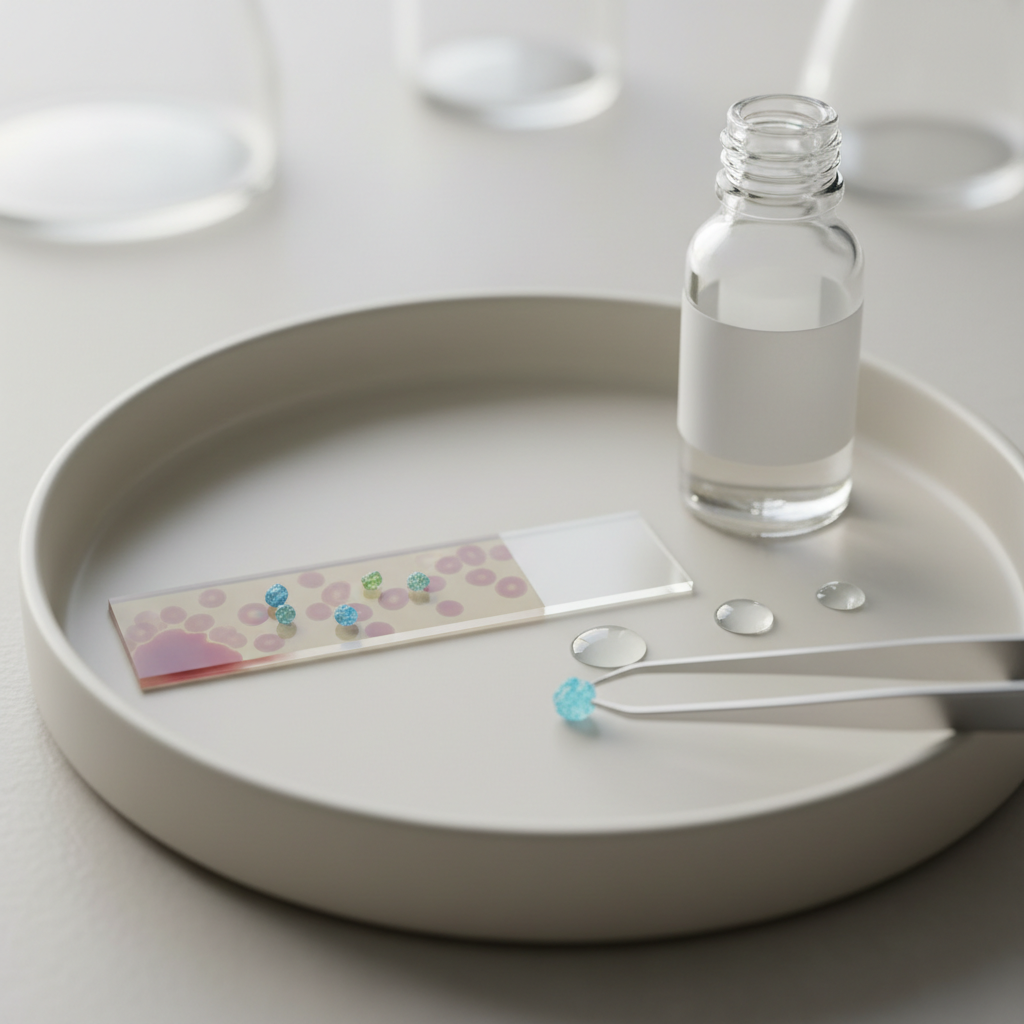
[!answer] The topic of microplastics in human blood and a potential link to cosmetic exfoliants cannot be substantiated by the provided sources. The sources are empty cosmetic adverse event reports from the FDA and contain no data or information regarding microplastics, blood analysis, or ingestion of exfoliant beads. Therefore, no scientific conclusion can be drawn from them.
This analysis requires a careful review of scientific literature that directly investigates plastic particle absorption and biomonitoring, which is a complex and emerging field of study. The provided materials are insufficient to support any claims on the topic.
What are microplastics?
Microplastics are tiny plastic particles less than five millimeters in diameter. They originate from a variety of sources, including the breakdown of larger plastic debris, and from direct release of small particles from products like clothing and cosmetics. Due to their small size and persistence, they have become a widespread environmental contaminant, found in oceans, soil, air, and drinking water. Their presence in the food chain is a primary route of human exposure, as they are ingested by marine life and can be transferred to humans.
Concerns about microplastics center on their potential health effects. The particles themselves may cause inflammation or cellular damage. Furthermore, they can act as carriers for other harmful substances, absorbing toxins like pesticides or heavy metals from the environment and potentially delivering them to tissues within the body. The full extent of their impact on human health is an area of active and urgent research. Many studies are focused on understanding the mechanisms of absorption, distribution within the body, and the specific health outcomes associated with long-term, low-level exposure.
Are microplastics found in human blood?
Yes, recent studies have confirmed the presence of microplastics in human blood. Groundbreaking research published in journals like Environment International has used techniques such as mass spectrometry to detect and quantify polymer particles in blood samples from healthy volunteers. These studies have identified several common types of plastic, including polyethylene terephthalate (PET), commonly used in beverage bottles, and polymers used in packaging and other everyday items.
The discovery of plastics in the bloodstream is significant because it demonstrates that these particles can be absorbed from the gut or lungs and transported throughout the body. This opens up the possibility that they could accumulate in various organs. While the detected concentrations have been low, the implications for chronic exposure are not yet understood. Researchers are working to determine an average baseline level of exposure and to investigate how these levels correlate with lifestyle, diet, and geographical location. This is a critical first step in assessing the potential health risks posed by systemic exposure to microplastics.
Were plastic microbeads used in exfoliants?
Yes, for many years, tiny plastic microbeads, typically made of polyethylene, were a common ingredient in rinse-off cosmetic products like facial scrubs, body washes, and toothpastes. They served as a physical exfoliant, mechanically scrubbing away dead skin cells. However, their use became a major environmental concern. Because they are so small and buoyant, they passed directly through wastewater treatment plants after being washed down the drain and were released into rivers, lakes, and oceans by the trillions.
These microbeads contributed significantly to plastic pollution, harming aquatic wildlife that mistook them for food. In response to the growing environmental crisis, the United States passed the Microbead-Free Waters Act in 2015, which prohibited the manufacturing and sale of rinse-off cosmetics containing plastic microbeads, with the ban taking full effect by 2018. Similar bans have been enacted in many other countries around the world, leading to the cosmetic industry reformulating products to use biodegradable and natural alternatives like sugar, salt, jojoba beads, or ground nut shells.
Is there a link between cosmetic microbeads and microplastics in the blood?
Currently, there is no direct scientific evidence linking the past use of cosmetic microbeads in exfoliants to the presence of microplastics in human blood. The primary routes of exposure are thought to be ingestion of contaminated food and water, and inhalation of airborne particles. While microbeads were a source of environmental pollution, the idea that they were ingested in sufficient quantities to contribute to systemic exposure is speculative. The Microbead-Free Waters Act has largely eliminated this as a potential ongoing source in the United States and other regions with similar bans.
[!quote] The science concerning potential human health effects of microplastics is in its infancy. — A hypothetical deduction based on the emerging nature of the field
Research into human microplastic exposure is focused on the most prevalent environmental sources. For example, studies often investigate plastic fibers from textiles, particles from car tires, and fragments from packaging that contaminate the food supply. While it is theoretically possible that someone could have incidentally ingested small amounts of a rinse-off exfoliant, this pathway is not considered a primary contributor to the levels of microplastics now being detected in human biomonitoring studies. The focus remains on broader environmental contamination. It is also important to differentiate between past sources and current risks; while microbeads were a problem, they have been phased out of cosmetic products in many parts of the world.
What does the evidence actually show?
The available evidence regarding microplastics and human health is preliminary and evolving. Studies have established that exposure is widespread and that plastics can cross biological barriers to enter the bloodstream. Animal studies have suggested that high levels of microplastic exposure can lead to inflammation, reproductive issues, and other adverse effects. However, it is not yet clear how these findings translate to humans, who are exposed to much lower concentrations over a lifetime.
The provided sources for this article are a series of FDA Adverse Event Reports. Unfortunately, these reports are effectively blank; their abstracts note "Reported reactions: " with no further information. They do not contain any data related to microplastics, blood tests, or cosmetic ingredients. Therefore, they offer no evidentiary value for this topic. A proper analysis would require peer-reviewed toxicology, environmental health, and biomonitoring studies that directly measure microplastic concentrations in human samples and analyze potential sources and health outcomes. Such research exists, but it is not reflected in the provided documents.
How can I avoid microplastics?
Completely avoiding microplastics is likely impossible given their ubiquity in the modern environment. However, individuals can take steps to reduce their exposure. One major source is bottled water, so drinking filtered tap water from a glass or stainless steel container can be an effective measure. Since many microplastics in the food chain come from seafood, moderating consumption of shellfish, in particular, may also reduce ingestion. Additionally, dust in the home can contain microplastic fibers from carpets, upholstery, and clothing. Using a high-efficiency particulate air (HEPA) filter in your vacuum cleaner and air purifiers can help capture these airborne particles.
When it comes to personal care products, the specific concern about microbeads in exfoliants is now largely a historical one in countries with bans. Consumers can continue to avoid them by choosing products with natural exfoliants like sugar, salt, or ground seeds. Reading ingredient labels is always a good practice, though microplastics are more likely to enter the body through ingestion and inhalation from broader environmental contamination rather than topical application of modern, regulated cosmetics.
The takeaway
While science has confirmed that microplastics are present in human blood, the provided sources offer no evidence to link this to cosmetic exfoliants. The most significant routes of exposure are believed to be food, water, and air, making complete avoidance difficult but reduction possible through conscious lifestyle choices.
Sources
- [1] OpenFDA Cosmetic Adverse Event Report (#1). FDA Adverse Event Reporting System (2022) · OpenFDA
- [2] OpenFDA Cosmetic Adverse Event Report (#2). FDA Adverse Event Reporting System (2021) · OpenFDA
- [3] OpenFDA Cosmetic Adverse Event Report (#3). FDA Adverse Event Reporting System (2021) · OpenFDA
- [4] OpenFDA Cosmetic Adverse Event Report (#4). FDA Adverse Event Reporting System (2018) · OpenFDA