Ingredients
Navigating Gentle Cleansing: A Guide to Kids' Shampoos
Navigating kids' shampoos requires careful consideration due to delicate scalps. This guide explores gentle cleansing, scrutinizes ingredients like fragrance.
April 20, 2026
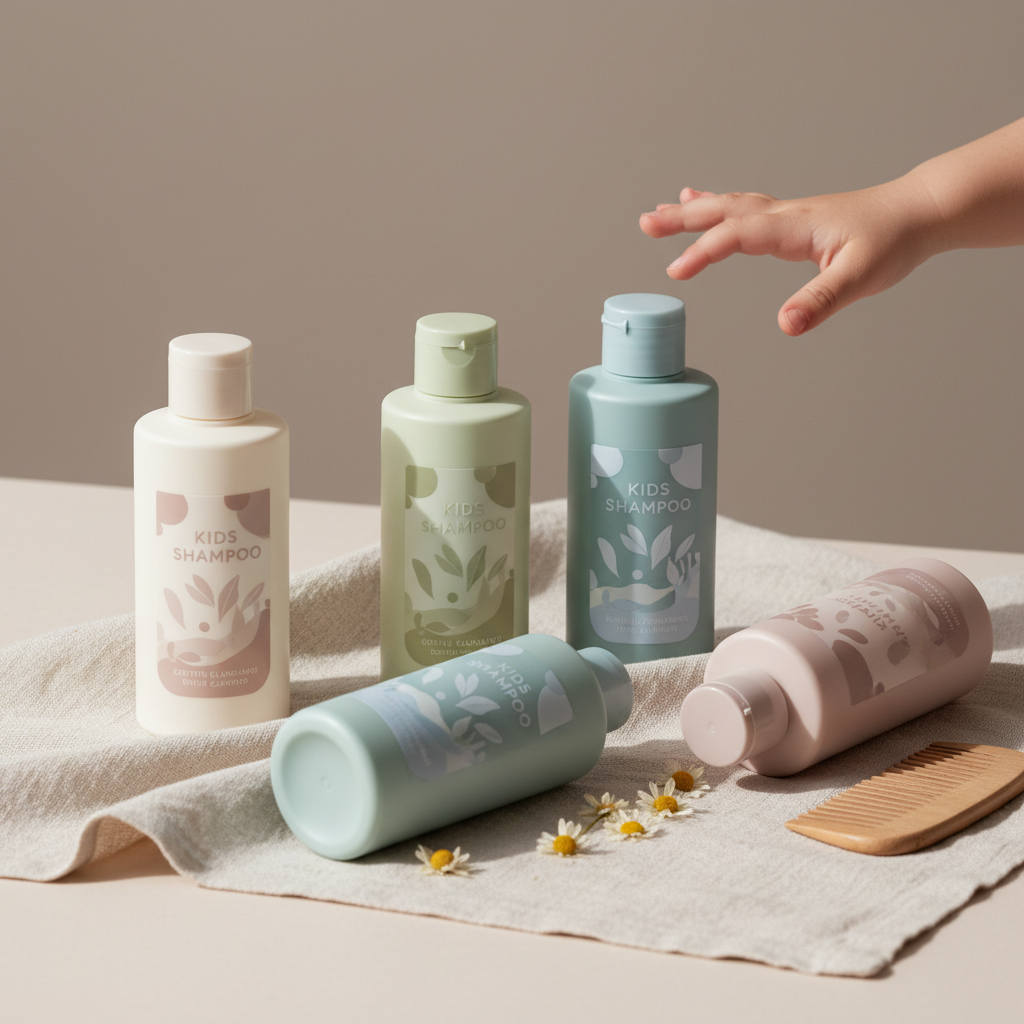
[!answer] TL;DR: Choosing kids' shampoos requires careful consideration, as children's scalps are delicate and can react to harsh ingredients like synthetic fragrances and some chemical-based formulations. Prioritize products with short, recognizable ingredient lists, opt for fragrance-free or naturally fragranced options, and for head lice, consider plant-based alternatives alongside traditional treatments due to growing resistance. A calm, evidence-based approach, focusing on ingredient transparency and consulting a dermatologist for specific sensitivities, is crucial for selecting safe and effective children's hair care products.
The quest for the perfect children's shampoo often begins with a desire for gentle yet effective cleansing. However, navigating the myriad options available can be complex, especially with growing awareness of ingredients and their potential impact on delicate scalps and developing bodies.
The Delicate Ecosystem of a Child's Scalp
A child's scalp and hair are distinct from an adult's, often requiring a more nuanced approach to care. The skin microbiome, a diverse community of bacteria, fungi, parasites, and viruses, plays a crucial role in skin health [6]. Disrupting this delicate balance with harsh chemicals can potentially lead to issues, underscoring the importance of mindful product selection. Traditional shampoos, especially those not formulated specifically for children, can sometimes contain ingredients that may be too aggressive for this sensitive ecosystem.
Unmasking Ingredients: Fragrance and Beyond
One of the most frequently discussed ingredients in children's cosmetics is "perfume" or "fragrance." This term, often a catch-all on ingredient lists, can represent a complex mixture of substances, some of which may have allergenic potential, act as endocrine disruptors, or pose other health concerns [4]. A study analyzing children's cosmetic labels found a significant presence of perfume, highlighting the pervasive nature of this ingredient even in products targeting young consumers [4]. While a pleasant scent can be appealing, it's worth considering that these often unrevealed components could be problematic for sensitive individuals. For instance, adverse event reports to the FDA have occasionally cited reactions related to fragrances in cosmetic products [8][9][10].
Beyond fragrance, a broader concern revolves around synthetic, chemical-based personal care products. Research suggests that users of these products may face higher risks than those opting for natural alternatives, with reported associations between synthetic product use and various chronic diseases [2]. While this area of research is continually evolving, it underscores the value of scrutinizing ingredient lists and opting for simpler, more transparent formulations when possible.
Tackling Head Lice: A Persistent Challenge
Head lice are a common concern in childhood, affecting millions of children annually [7]. When an infestation occurs, parents often turn to specialized shampoos for treatment. However, the efficacy of these products can vary, and resistance to conventional treatments like permethrin or malathion has been increasingly observed [7]. A study in Thailand, for example, found varying degrees of effectiveness among commercial anti-lice shampoos in a primary school with a high prevalence of infestation [3].
Interestingly, plant-based therapies are gaining attention as potential alternatives for head lice treatment [7]. Research indicates that certain natural extracts may possess pediculicidal properties. For instance, grapefruit extract has shown efficacy against head lice in clinical trials [1]. This suggests that while traditional medicated shampoos have their place, exploring options with botanical active ingredients could be a beneficial avenue, particularly in light of growing concerns about resistance.
What Does "Non-Toxic" Actually Mean?
The term "non-toxic" is frequently used in the beauty industry, particularly for children's products, but it lacks a universally agreed-upon legal definition. This can make it challenging for consumers to discern truly safe products from those using clever marketing. A calm, evidence-based approach to ingredient selection is paramount. This means looking beyond marketing claims and focusing on ingredient transparency.
When considering "non-toxic" claims, it's helpful to remember that even natural substances can cause reactions in some individuals. The goal is to minimize exposure to known irritants and potential disruptors while choosing products with well-researched, gentle ingredients. Brands committed to transparency often provide detailed information about their sourcing and formulation practices, offering a clearer picture for consumers.
A Practical Approach to Choosing Kids' Shampoos
When selecting a shampoo for your child, a thoughtful approach can make a significant difference. Prioritize products with short, recognizable ingredient lists. Opt for fragrance-free or naturally fragranced options, being mindful that even natural essential oils can be sensitizing for some. If your child has specific skin sensitivities or conditions, consulting with a dermatologist can provide personalized guidance.
For routine cleansing, a mild, pH-balanced shampoo designed for children will generally suffice. In cases of head lice, while over-the-counter medicated shampoos are readily available, consider discussing plant-based alternatives with a healthcare provider, especially if resistance to conventional treatments is a concern. Ultimately, informed choices, guided by scientific understanding rather than sensationalism, pave the way for healthier hair and scalp care for children.
Sources
- [1] Efficacy of a grapefruit extract on head lice: a clinical trial. — Abdel-Ghaffar F, Semmler M, Al-Rasheid K. Parasitology research (2010) · PubMed
- [2] The dark side of beauty: an in-depth analysis of the health hazards and toxicological impact of synthetic cosmetics and personal care products. — Alnuqaydan AM.. 2024 · Europe PMC
- [3] Comparative Efficacy of Commercial Antilice Shampoos Against Head Lice in a High-Prevalence Primary School in Thailand. — Kitvatanachai S, Supcharoengoon U, Suphakhonchuwong N, Taylor A, Rhongbutsri P.. 2025 · Europe PMC
- [4] Frequency of perfume in 398 children's cosmetics. — Uber M, Morgan MAP, Schneider MC, Gomes IRR, Imoto RR, Carvalho VO, Abagge KT.. 2024 · Europe PMC
- [5] 'Beyond core business': A qualitative review of activities supporting environmental health within remote Western Australian schools. — Enkel SL, Dalton R, Clements C, Thomas HMM, McRae T, Amgarth-Duff I, Mullane M, Wiese L, Bedford L, Lansbury N, Carapetis JR, Wright E, Bowen AC.. 2025 · Europe PMC
- [6] An Overview of the Skin Microbiome, the Potential for Pathogen Shift, and Dysbiosis in Common Skin Pathologies. — Smith A, Dumbrava R, Ghori NU, Foster R, Campbell J, Duthie A, Hoyne G, Rademaker M, Bowen AC.. 2025 · Europe PMC
- [7] Therapeutic potential of plant-based therapies in pediculosis capitis: Systematic review and meta-analysis. — Chen J, Mei A, Jacques A, Ricciardo B, Bowen A.. 2025 · Europe PMC
- [8] OpenFDA Cosmetic Adverse Event Report (#1). FDA Adverse Event Reporting System (2024) · OpenFDA
- [9] OpenFDA Cosmetic Adverse Event Report (#2). FDA Adverse Event Reporting System (2016) · OpenFDA
- [10] OpenFDA Cosmetic Adverse Event Report (#3). FDA Adverse Event Reporting System (2021) · OpenFDA